



Ithaca College: Increased Access to Course Materials


The Ithaca College library helped the campus continue teaching through the pandemic by providing remote access to course materials through Leganto. Along the way, the library gained new recognition of the value of its collections and services.
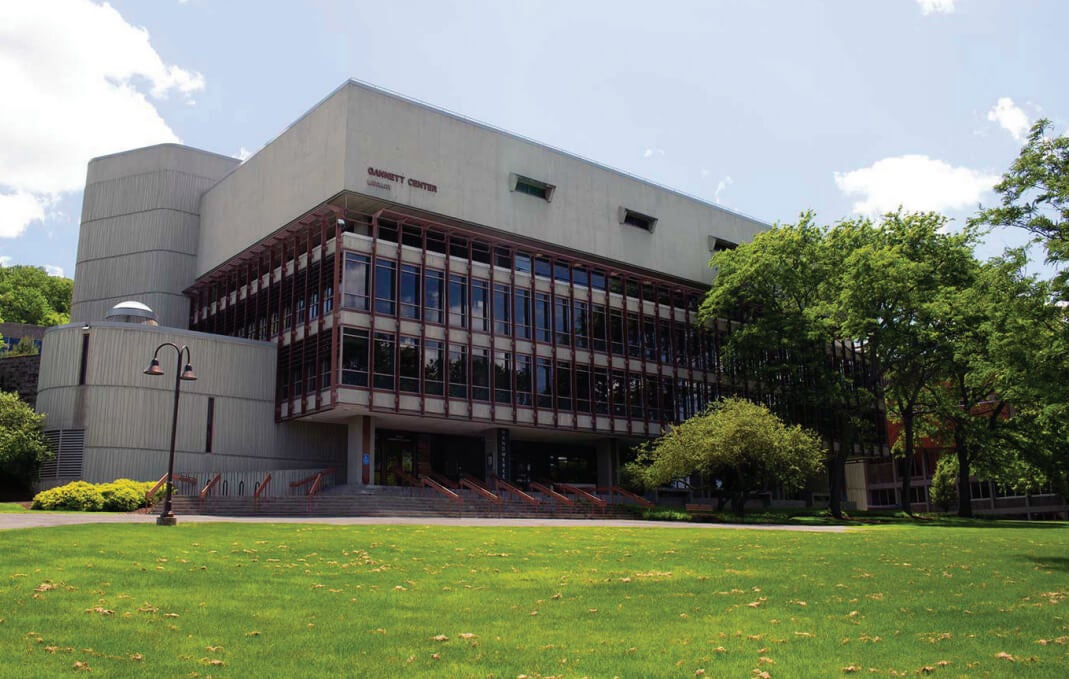
About the Ithaca College library:
The Ithaca College library’s mission is to “enhance teaching and learning at Ithaca College through the provision of flexible, diverse, and user-centered information services and resources.” Leganto provides one way for the library to achieve its’ mission.
Streamlining processes with a versatile system
When they first adopted Leganto, the library staff at Ithaca College saw it as a more efficient way to connect students to the content that they needed for course work. What they ultimately discovered is that offering Leganto allows them to post course materials seamlessly within the campus learning management system (LMS).
“We had just migrated to Alma,” recalls Ben Hogben, access services manager, “and we were approached about using Leganto. We saw that you could put just about any media format in a reading list. In addition to library materials, you could put in a YouTube video, or a Vimeo video.” Before adopting Leganto, the library had been manually creating reading lists and sending them to the professors so they could share them with their students. “Leganto gave us a way to streamline that,” shares Hogben. “It is extremely versatile, and extremely easy to use.”
Seamless experience for faculty and students
At the first stage of the Leganto rollout, there was some inertia to overcome, because instructors were already familiar with the previous learning management system. When the campus switched to Canvas in 2020, the library saw an opportunity to utilize Leganto as a tool faculty could use from within Canvas.
The Ithaca library staff also recognized the value of seeing the experience from the instructor perspective. That led to a fairly simple change. “The name Leganto doesn’t mean anything to them,” declares Hogben. “Now we call it what it is, the course reading list. Instructors would say ‘I want to put this on reserve.’ We said, ‘Log into Canvas and click on your course reading list.’ It’s seamless to them. They don’t know that they’re using a different service.”
Leveraging Leganto within Canvas also resulted in a uniform experience for students. “Leganto gave instructors a template to use for formatting their lists, which means a consistent look for readings and books on reserve.” From the student perspective, “when a student logs into a course, then logs into another course, they see something that looks familiar to them.”
Intuitive and easy to use
Usability was also critical to the success of Leganto. “When I use a library application, it needs to be easy, and it needs to be intuitive. That’s what I see with Leganto,” states Hogben. “It has to make sense to the instructor or they’re going to go with something that’s simpler and easier to use.”
“When we first started bringing Leganto onboard, I would get questions from instructors: ‘I don’t know anything about this. I just want to put this book on reserve.’ I would say, ‘Can I come over to your office and show you?’ I would go to their office. I would sit down with them, and within five minutes, they were up and running.”
Now that the initial onboarding has been accomplished, Hogben has created some self-help guides for the faculty, and included many examples. That has streamlined the support process. “When we get a question about Leganto, we typically send them a link to the guide that I created,” he explains. “If for any reason they still don’t understand, they can still contact us. But I’m going to say that probably 95% of the time they write back and say, ‘Okay, thank you’ and they’re able to keep on with what they’re doing.”
Partnering to take on the pandemic
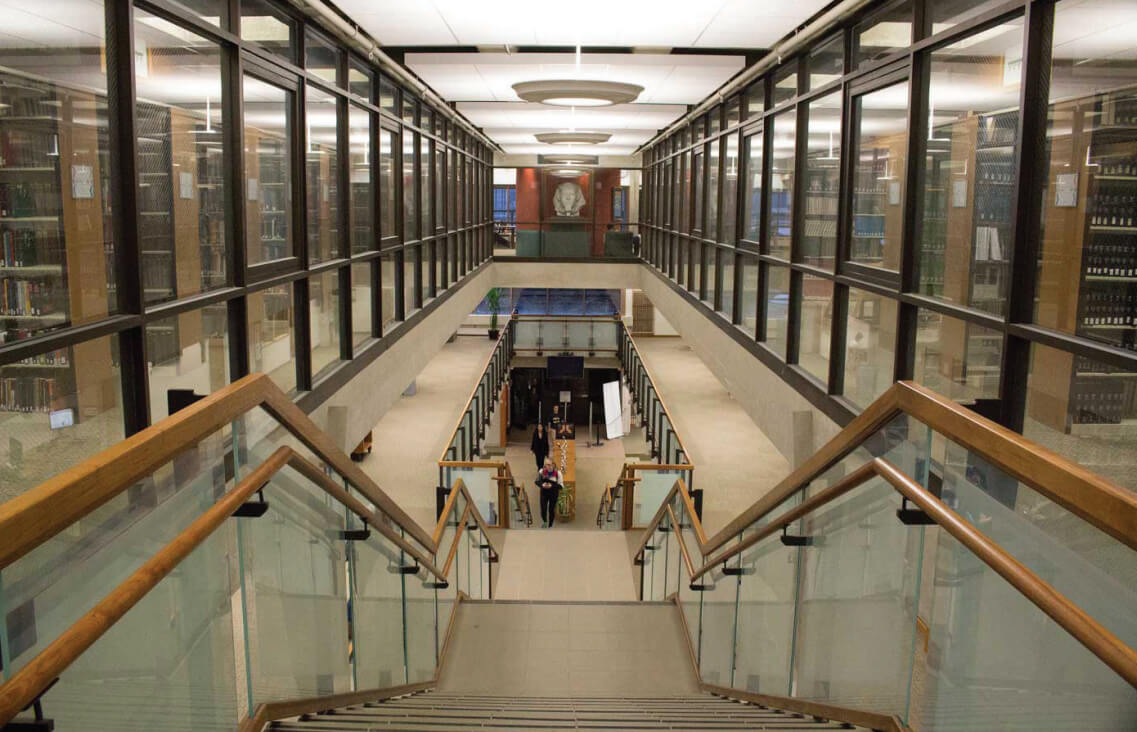
With Leganto in place during the COVID-19 pandemic, the library had the opportunity to demonstrate how it could partner with instructors, provide guidance, and support the classroom experience. “In 2020, the library building was closed,” recalls Hogben. “Instructors could not come into the library. Our tagline was, ‘The building is closed but the library is open.’ They would contact us for help with providing course materials. Hogben’s response. “We have this tool called Leganto. Just let us know what you need, and we’ll add it to your course for you and provide access.” In addition, shares Hogben, “For obvious reasons, when the pandemic hit, we purchased a lot more e-books. The e-books are easy for the instructor to add to the list and the library does not have to process them. Students can immediately start accessing that material.” Another feature that was very helpful during the pandemic was that the library could embed files into Leganto. That meant the library could restrict downloading and printing to provide access for students but comply with copyright restrictions.
Recognition of the library’s value
According to Hogben, the pandemic experience helped to get the word out about how the library could support teaching and instruction. Post-pandemic, students and faculty are more aware of the library and the services that it has to offer.
Leganto was a key piece of the library’s response to the pandemic, and the efforts have been recognized. In response to a recent presentation by library staff, faculty indicated that they would not have been able to continue teaching through the pandemic without help from the library.
About Ex Libris, Part of Clarivate
Ex Libris, part of Clarivate, is a leading global provider of cloud-based solutions that enable institutions and their users to
create, manage, and share knowledge. In close collaboration with its customers and the broader community, Ex Libris develops
solutions that increase library productivity, maximize the impact of research activities, enhance teaching and learning, and
drive student mobile engagement. Ex Libris serves over 7,500 customers in 90 countries.